Library
|
Historical Archive
|
Research and Publications
|
Giving
|
Online Services
ITA
University
About us
Academic Authorities
Rector's Welcome
Mission
Exemption
Studying at the Gregorian
Strategic Plan 2023-2028
Guidelines for the Use of Artificial Intelligence
Third mission
Our History
Ordo Anni Academici
Liber Annualis
Statutes, Rules and Norms
Directory
Offices
Students Relationship Office
International Students Office
Quality Committee
Scholarships Office
Bursar Office
Press and Communication Office
External Relations Office
Event Management Office
Technical Department
Personnel and Human Resources Office
Information Technology
Academic Units
Missions
Collegium Maximum
Pontifical Biblical Institute
Pontifical Oriental Institute
Faculties
Theology
Canon Law
Philosophy
History and Cultural Heritage of the Church
Missiology
Social Sciences
Biblical
Ancient Near Eastern Studies
Eastern Christian Studies
Eastern Canon Law
Institutes
Spirituality
Psychology
Anthropology
Centres
Saint Peter Favre Centre for Formators to the Priesthood and Religious Life
Cardinal Bea Centre for Judaic Studies
Alberto Hurtado Centre for Faith and Culture
Gregorian Centre for Interreligious Studies
Ignatian Spirituality Centre
Academic Offerings
Programs of study
Courses
Program Booklets
Students
Admission
General Information
Documentation
Welcome Service
Enrollment
Study Plan
Exams
Recognition of academic qualifications
International Students
Resources
Registrar's Office
Online Student Secretariat
Scholarships
Language courses
Tuition and fees
Academic Calendars
Frequently Asked Questions
Forms
Repository
Partner Services
Activities and Services
University Chaplaincy
Spiritual Exercises in Ordinary Life (E.V.O.)
Professors
Events and Communication
Events
Upcoming Events
Events Calendar
Events archive
Communication
News and Press Releases
"La Gregoriana" Magazine
Card
Home
Courses Catalogue
Card
SV5244
POETIC APPROACH TO POETIC TEXTS
(A.Y. 2026/2027)
Accademic Unit
Biblical Faculty
Course
Licenza Biblica (Missione Pontificio Istituto Biblico)
Information
Teachers
Lesson schedule/Room
Bibliography
Information
Semester:
2° Semestre
ECTS:
5
Teachers
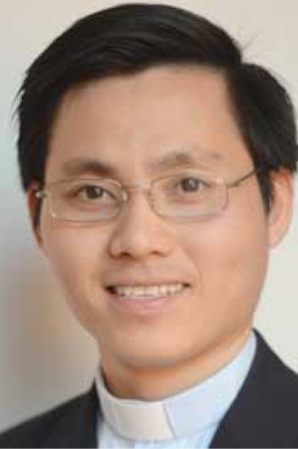
Gia An CAO
Lesson schedule/Room
Lessons schedule not available
Bibliography
Other Courses
EN2268 L'inizio del vangeo. esegesi di mc 1,1 - 3,6
EN8126 Le lettere alle sette chiese (ap 2-3)
GB2205 New testament greek, b
JERPA1 Archaeology and historical geography of the bible
TV6202 Traduttori o scrittori? teologie della settanta
Link
All courses
×
Cerca
Search
×
Site Search
Search
×